

01
Weeks 1-4
Phase 1 - Athletic Foundation
Builds the base: sprint mechanics, plyometric tolerance, strength foundation and controlled conditioning.
- Sprint mechanics
- Plyometric tolerance
- Strength foundation
SPEED PRO · RUMOAOPRO
🇺🇸 EN → PTSpeed development system
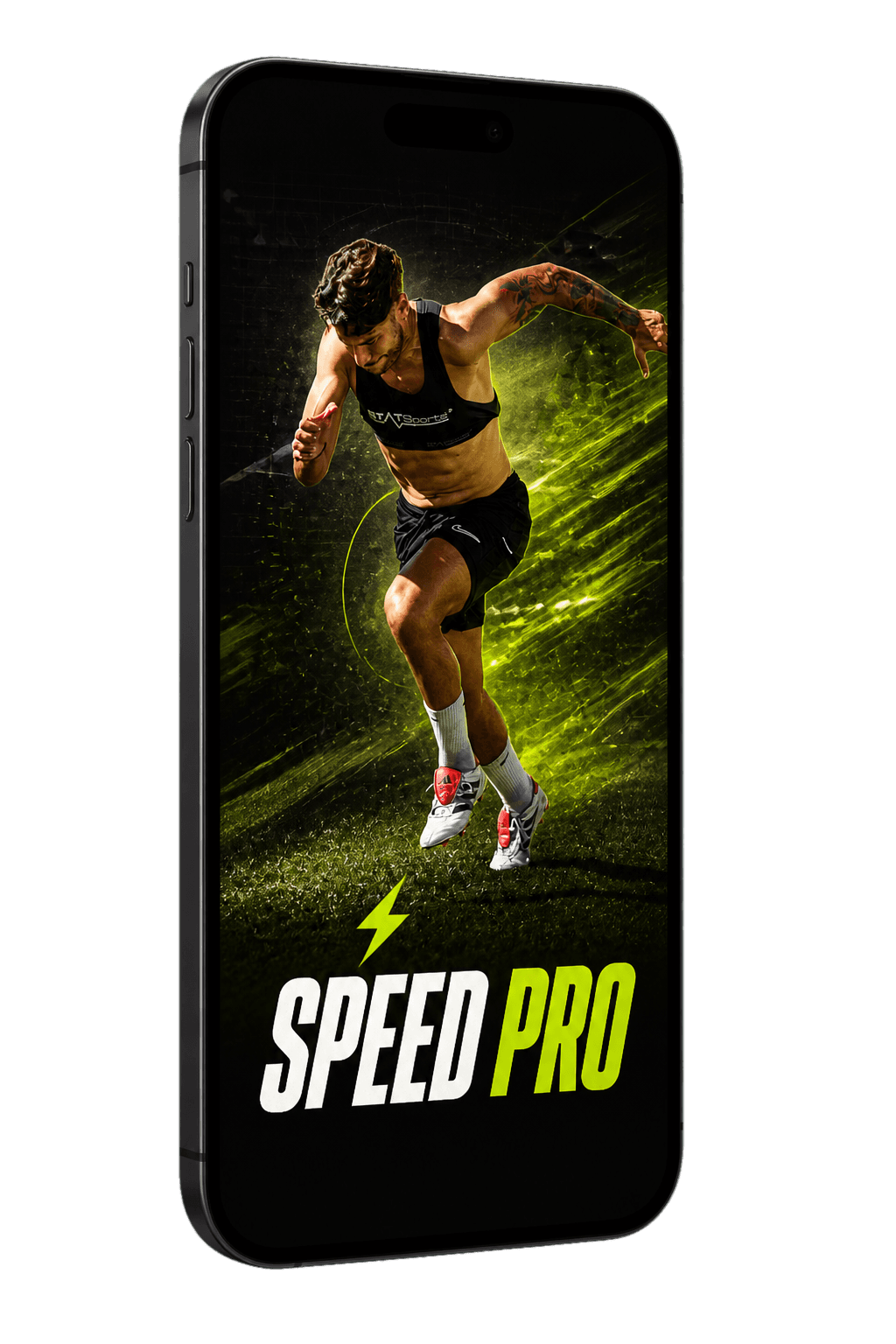
12 weeks to develop acceleration, maximum velocity, power and football-specific sprint mechanics.
Limited launch offer
One-time payment. Full PT/EN access in RaptorPro.
After confirmation, the program appears automatically in your RaptorPro account.
3
progressive phases
12
offseason weeks
84
days organized in the app
Who it is for
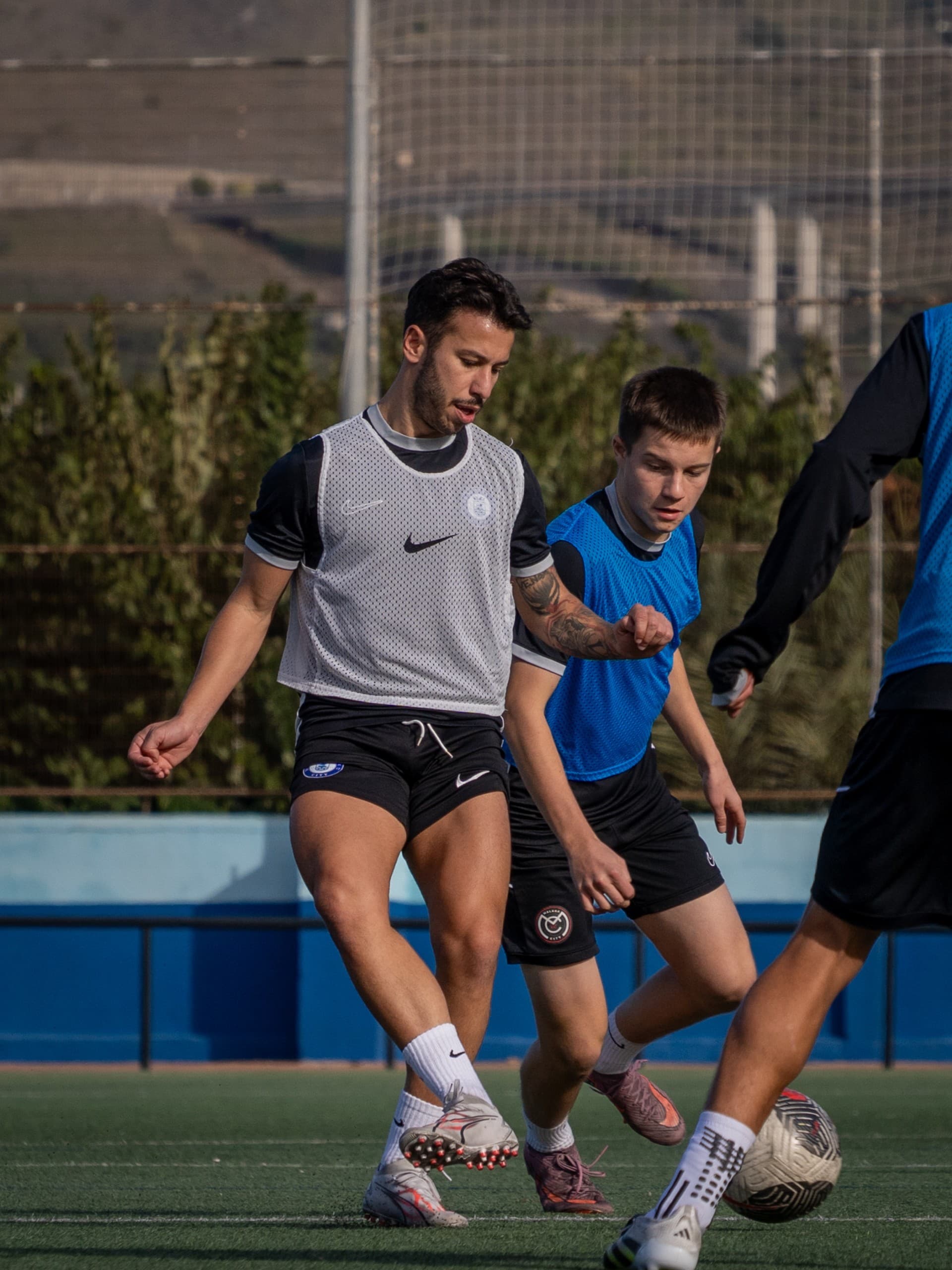
Speed Pro organizes speed as a nervous system quality: enough rest, maximal intent, clean mechanics and progression between field, gym and conditioning.
The 3 phases
Each phase keeps the week simple: two field speed days, two gym days, one conditioning day and two recovery days.
Weeks 1-4
Builds the base: sprint mechanics, plyometric tolerance, strength foundation and controlled conditioning.
Weeks 5-8
Turns the base into more aggressive acceleration: horizontal force, sharper first steps and resisted sprint work.
Weeks 9-12
Moves toward top speed and game speed: flying sprints, elasticity, COD and football-specific speed patterns.
What is inside
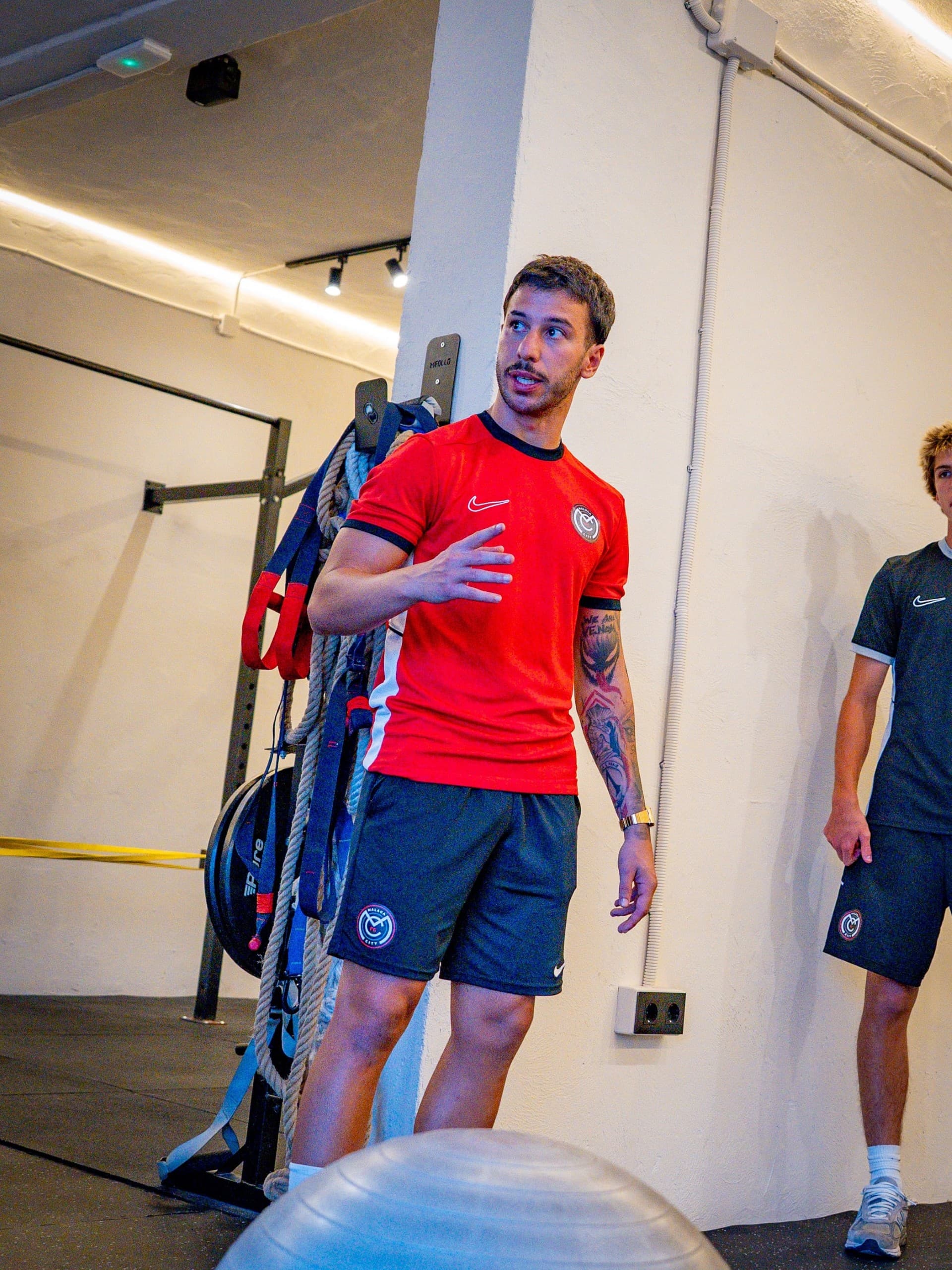
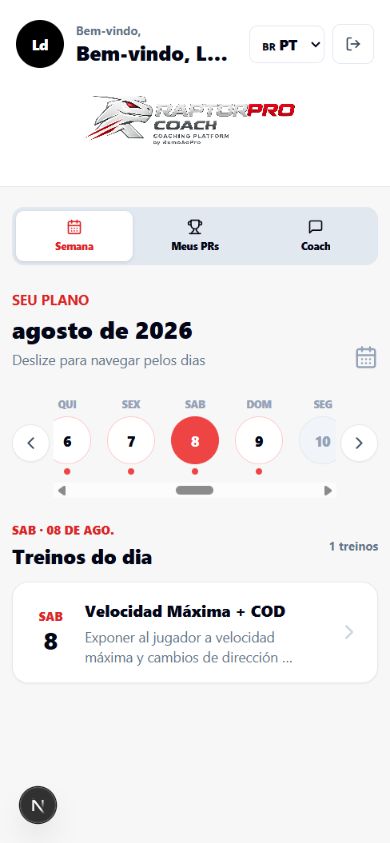
Three phases with a simple weekly structure for field, gym, conditioning and recovery.
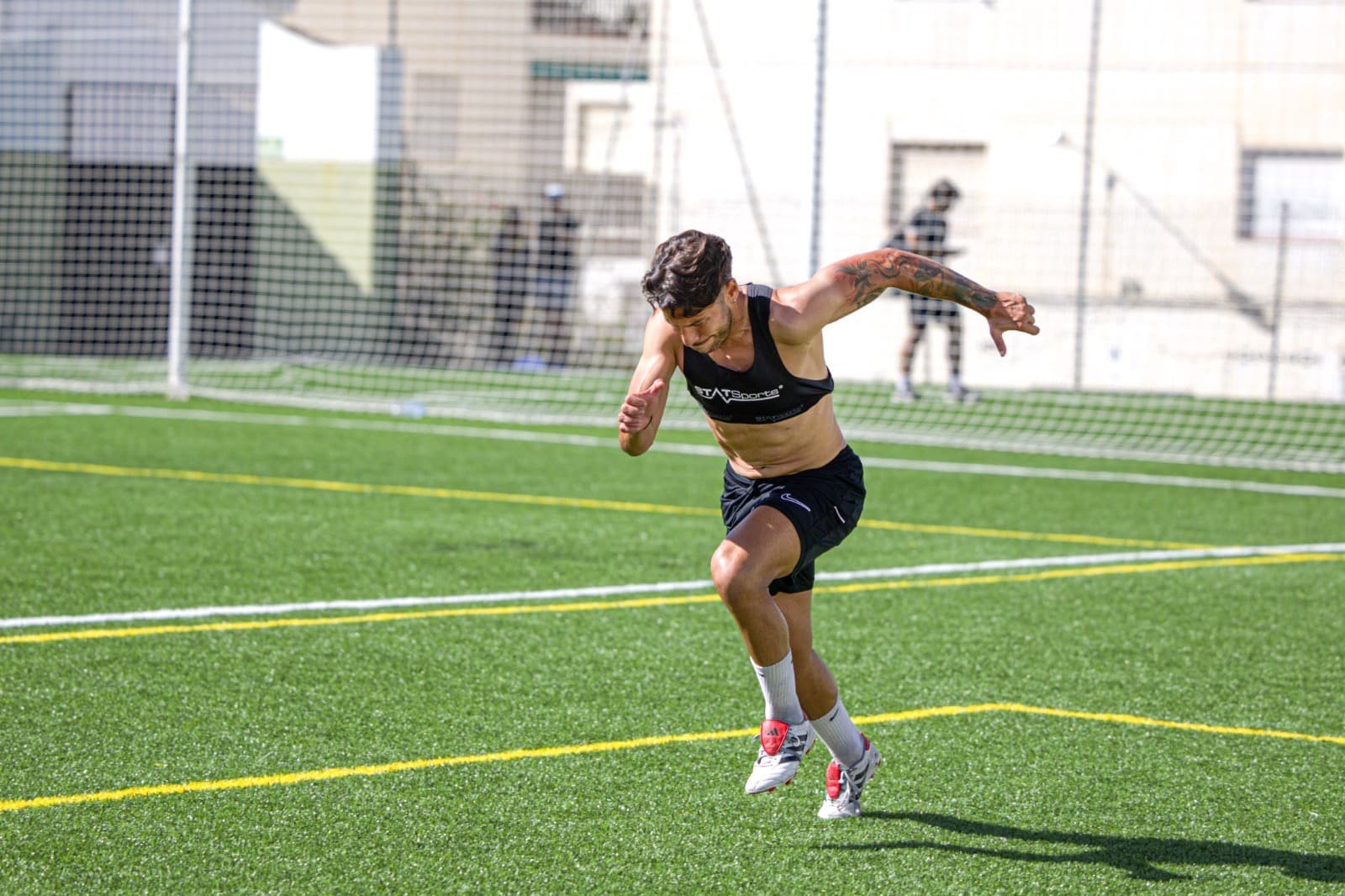
Acceleration, resisted sprinting, top speed, re-acceleration, COD and game-speed actions.
Lower body, upper body, core and power days to support faster sprint qualities.
Conditioning has its own day so speed work does not turn into fatigue work.
The guide explains how long to rest, when to stop the set and how to protect quality.
Internal sessions point to demos to reduce confusion around exercise execution.
Inside the product
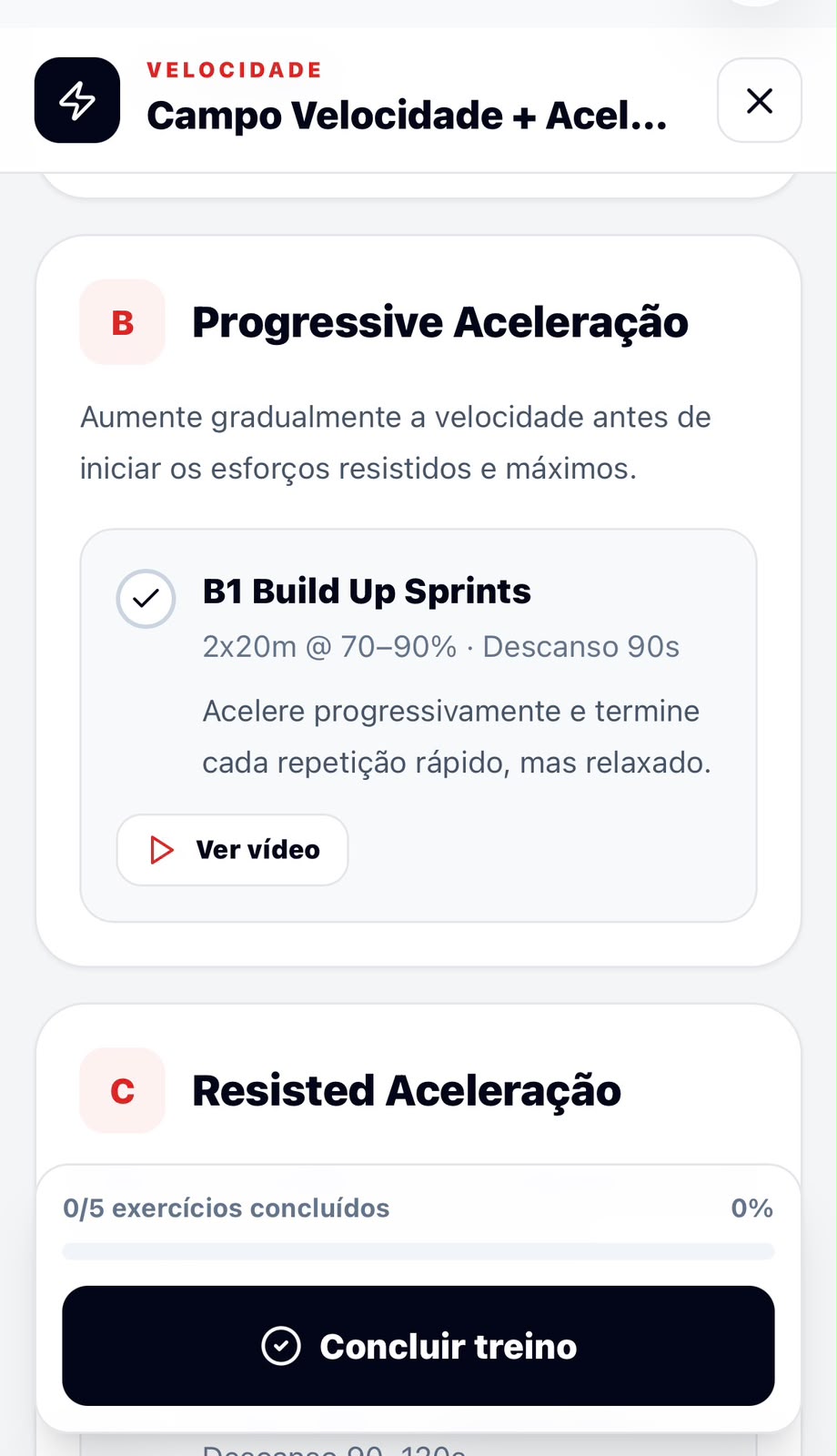
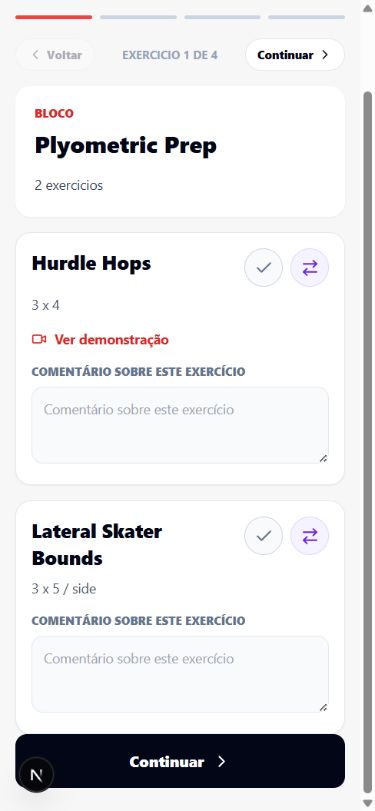
Open the day, follow the session on your phone, watch demonstrations and log the workout in RaptorPro.
See every field, gym, conditioning and recovery day in order.
Coach notes, exercise demos and clear rest instructions stay inside the workout.
Log readiness, RPE and duration without leaving RaptorPro.
Not another PDF
The full 12-week system lives in your pocket.
Session examples
Phase 1
Phase 1 improves mechanics, useful stiffness and intent over the first meters.
Phase 2
Sled or hill sprint work builds horizontal force and more aggressive first steps.
Phase 3
Top-speed exposure helps the player run faster, smoother and with better rhythm.
Quick questions
It works best for athletes with some training experience. Beginners can use it, but should reduce volume and focus on technique first.
Not necessarily. The material itself suggests hill sprints as an alternative when a sled is not available.
Yes, as long as it stays technical and low to moderate intensity. Avoid adding hard small-sided games or extra conditioning.
This is an offseason program. In-season athletes should reduce volume and place speed work carefully around match days.
Reviews
Reviews imported from the previous Loox store, from Speed Pro's former Project 36 edition.
“I recently changed phones and lost my photos and data, but the program has been helping me a lot.”
Adriel A.
Verified purchase
“Incredible program. I improved a lot and I am very thankful.”
Antonio C.
Verified purchase
“Very happy with the purchase. A well-organized sequence of videos and training plan.”
Wesley B.
Verified purchase
Speed Pro
Enter Speed Pro with a clear progression to accelerate, hit top speed and transfer speed into game actions.